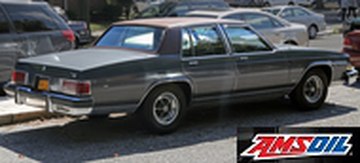
Engine Lubrication and Maintenance for the 1982 Buick LESABRE 3.8L
Maintaining a vehicle from the early 1980s requires a proactive approach to fluid management and mechanical inspection. For the 1982 Buick LESABRE equipped with the 3.8L engine, consistent attention to lubrication is a fundamental aspect of long-term ownership. While modern vehicles often feature advanced electronic monitoring, older engines rely heavily on the physical condition of fluids and the integrity of various seals and components to operate efficiently.
Monitoring Fluid Integrity and Condition
One of the most effective ways to monitor the health of the 3.8L engine is through regular observation of the engine oil. Over time, lubricants can undergo chemical changes due to heat and exposure to combustion byproducts. Periodically checking the appearance of the oil can provide useful information regarding the internal state of the engine.
When performing an inspection, look for several indicators:
- Color and Clarity: While oil naturally darkens with use, extremely dark or opaque fluid may suggest extended intervals between changes.
- Texture: Any presence of grit or particulate matter within the oil can indicate internal wear or contamination that warrants professional investigation.
- Consistency: If the oil appears excessively thick or shows signs of emulsification (a milky appearance), this can be associated with various underlying issues that should be addressed promptly.
Beyond the oil itself, inspecting the surrounding areas for signs of seepage is a practical maintenance step. Checking the engine bay for wet spots or residue on various surfaces can help identify aging gaskets or seals before they lead to significant fluid loss. If any evidence of leakage is found, it should be investigated to determine the source and severity.
Practical Inspection Priorities for Aging Engines
As vehicles age, certain components naturally become more susceptible to environmental factors and mechanical wear. For a 1982 Buick LESABRE, maintenance priorities should shift from purely scheduled tasks to condition-based monitoring. This means looking at the actual state of parts rather than relying solely on the calendar.
When conducting routine service, it is beneficial to examine several key areas:
- Seals and Gaskets: Inspect accessible gaskets and seals for signs of age-related seepage. Even if a leak is not currently active, visible residue can indicate that a seal is beginning to lose its effectiveness.
- Hoses and Connections: If present, inspect rubber hoses for signs of cracking, softening, or bulging. Maintaining the integrity of these components is vital for preventing unexpected fluid loss.
- Electrical Integrity: Check wiring and electrical connectors for signs of corrosion or brittle insulation, which can affect engine performance and sensor accuracy.
- Drive Components: If equipped, inspect accessible drive belts for evidence of glazing, fraying, or cracking. A belt that shows significant deterioration may require attention to prevent service interruptions.
By focusing on these areas, an owner can establish a clearer understanding of the vehicle's current mechanical state and prioritize repairs based on actual need rather than guesswork.
Understanding Potential Warning Signs
Recognizing changes in how the engine operates is crucial for preventing more extensive mechanical issues. It is important to remember that many symptoms can have multiple causes, so a single observation should be treated as a prompt for further inspection rather than a definitive diagnosis.
Owners should remain observant of the following:
- Changes in Lubricant Consumption: If you notice that the oil level on the dipstick is dropping more frequently than expected between service intervals, this warrants an investigation into potential leaks or consumption.
- Unusual Noises: Any new mechanical sounds—such as tapping, knocking, or whistling—that occur during engine operation should be evaluated by a technician.
- Exhaust Observations: Changes in the color or consistency of exhaust smoke can sometimes be associated with internal engine conditions and should not be ignored.
- Warning Indicators: Any dashboard illumination related to oil pressure or engine temperature requires immediate attention to prevent potential damage.
Addressing these signs early through a professional diagnostic process is often more cost-effective than waiting for a component to fail completely.
Establishing a Maintenance Baseline
For owners of a 1982 Buick LESABRE, especially if the vehicle's previous service history is unknown, establishing a maintenance baseline is a highly effective strategy. This involves documenting the current condition of all major fluids and mechanical components to create a reference point for future inspections.
A solid maintenance record should include more than just oil changes. Keeping a detailed log of when filters were replaced, when belts were inspected, and any observed seepage or minor repairs provides a roadmap of the vehicle's health. This documentation is invaluable when trying to distinguish between a new issue and a long-standing condition. If you are unsure of the engine's recent history, performing a comprehensive inspection of all fluids and visible mechanical components is an excellent way to start this process.
Prioritizing Long-Term Engine Care
Effective long-term ownership involves distinguishing between necessary preventive maintenance and unnecessary parts replacement. Rather than replacing every aging component, focus on addressing active issues first—such as confirmed leaks or visible belt wear—and then move toward monitoring components that are still in good condition.
Using the current condition of the vehicle to set priorities ensures that resources are directed where they are most needed. For example, if a seal is showing minor seepage but is not actively dripping, it may be monitored during every oil change rather than being replaced immediately. This approach allows for more controlled and predictable maintenance costs over the life of the vehicle.
Buying Engine Oil for your 1982 Buick LESABRE 3.8L
When it is time to replenish your engine's lubrication, selecting a product that aligns with the specific needs of your engine is essential. For this 1982 Buick LESABRE 3.8L, you should not rely on general assumptions about what an older vehicle might need. Instead, match the engine oil to the application-specific viscosity information already displayed on this webpage.
Before making a purchase, consider the following practical steps:
- Verify Application Data: Always refer back to the specific viscosity and requirements listed in the technical information section of this page to ensure compatibility.
- Check Product Labeling: Once you have identified the correct viscosity, carefully read the container labels to confirm the oil meets the appropriate API service classifications.
- Evaluate Formulations: Depending on your specific engine condition, you may choose between conventional, synthetic blend, or full synthetic oils. Some high-mileage formulations also contain additives intended for use in aging engines, including seal-conditioning additives that may be beneficial for older seals.
By following the application-specific guidance provided here and verifying all product details at the point of purchase, you can ensure your 3.8L engine receives the correct lubrication for continued operation.